House Clearance in Berkhamsted
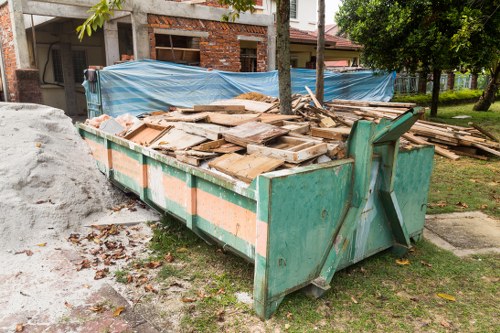
House clearance in Berkhamsted should feel organised, respectful and straightforward, whether you are emptying a family home, clearing a rented property or dealing with a property that needs to be handed back in good order. Our service focuses on removing unwanted contents in a careful, practical way, with attention to item type, access and the amount of sorting required. We handle complete and partial clearances, so you can clear one room, a loft, a garage or an entire house without having to manage the heavy lifting yourself.
We also cover linked clearance tasks where a property contains mixed household contents. That can include furniture, general household items, white goods, fittings and accumulated storage from cupboards, lofts and outbuildings. For customers comparing options, house clearance is often the most direct starting point, while more specific needs can be handled through related services such as furniture clearance or loft clearance. The aim is to make the process clear from the outset and to remove only what you want taken away.
A well-planned clearance can reduce disruption at a time when there is already plenty to manage. It can also help you separate items that are to be kept, passed on or removed, which is useful when time is tight or the property contains a wide range of possessions. If you are preparing for a move, dealing with an inherited property or simply reclaiming storage space, we can discuss the right scope and arrange the work around the practical details of the job.
Complete and partial house clearance
We offer house clearance for both full-property and room-by-room needs, which is useful when a customer does not want a one-size-fits-all approach. A complete clearance may involve most of the contents of a house, while a partial clearance can focus on selected areas such as bedrooms, reception rooms or storage spaces. This flexibility matters because homes are rarely arranged in the same way, and the amount of sorting, carrying and loading varies from property to property.
In many cases, the work begins with a simple assessment of what is staying and what is going. That keeps the clearance practical and avoids removing items that still have a role in the property. It is also a sensible way to deal with mixed contents, where some pieces may be bulky while others are smaller household items. If you are weighing up whether to remove a single room or several areas together, the scope can be shaped to match the actual contents rather than forcing you into a larger job than necessary.
House clearances often become easier once each area is considered separately. A bedroom may only need wardrobes, soft furnishings and personal storage taken away, while a sitting room could contain larger items, ornaments and general household clutter. The same property can therefore need several different approaches within one visit. That variety is normal, and it is why a good clearance service should make room for specific instructions instead of treating every house as the same.
What we can remove from a property
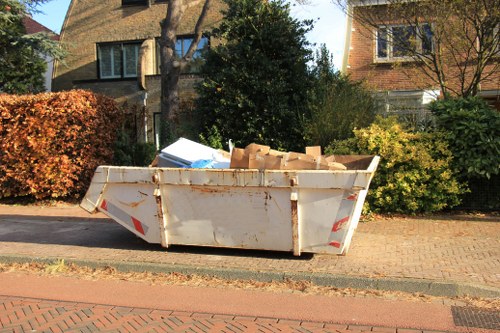
Our household clearance work can include a wide range of items, provided they are suitable for collection and clearly agreed in advance. Typical contents might include sofas, tables, chairs, cabinets, mattresses, shelving, boxes, ornaments and general domestic clutter. Where appropriate, we can also deal with items from ancillary spaces such as garages or lofts, so the main house is not left with awkward leftovers after the clearance has been completed.
For more focused jobs, related pages can help you identify the right type of clearance. A customer with bulky furniture to remove may prefer furniture disposal, while a property with a cluttered outbuilding may need garage clearance. If the contents are spread throughout the home, it may be more efficient to combine those requirements into one overall plan, rather than arranging several separate clearances that overlap.
We do not assume that every item should be treated the same way. Some belongings are straightforward to lift and remove, while others need more care because of size, weight or placement within the property. This is particularly relevant where objects are stored in tight halls, loft hatches, stairwells or compact rooms. The useful point for customers is that the service can be matched to the actual layout and contents of the home, so the work remains manageable and well controlled.
Furniture, rooms and storage areas
Many house clearance jobs are really a combination of smaller tasks inside one property. A house may need furniture removed from several rooms, storage emptied from cupboards, and remaining items cleared from areas that have been used for long-term overflow. By handling those parts together, we can keep the work coherent and reduce the chance of leaving behind items that were easy to overlook on their own.
Where furniture is the main issue, it can help to focus on the route out of the property as much as the items themselves. Large pieces often need careful movement through doorways, staircases and narrow landings, and that can affect how the work is planned. This is one reason customers sometimes combine a general clearance with a more specific furniture service. If that suits the contents better, furniture clearance and garage clearance are both useful reference points for shaping the job.
Storage spaces also deserve attention because they often contain a mixture of useful and forgotten items. A loft can hold suitcases, boxes, seasonal belongings and old furniture; a garage may hold tools, household overflow and long-unused equipment. Removing those contents carefully can make a property much easier to manage. It also helps when a landlord, executor or homeowner wants the space to be ready for its next stage without leaving unexamined corners behind.
How the clearance is organised

Good organisation is central to any house clearance, because it lets the work move in a sensible order. We normally consider access, the amount of lifting involved, the presence of delicate items and any instructions about things that should remain in place. That preparation keeps the process calm and helps prevent confusion when several rooms or levels are involved. It also gives you a clearer sense of what will happen on the day.
When you are preparing an enquiry, it helps to note the size of the property, the main rooms involved and any particularly awkward items or access points. If the property contains multiple floors, a loft hatch, basement rooms or narrow stairways, that is worth mentioning because it can affect the way the clearance is carried out. Clear instructions matter, especially where some belongings must stay behind or where certain items have to be separated from the rest.
If a house clearance is being arranged at the same time as other removal work, the scope can be coordinated so the different parts fit together properly. For example, a general clearance may sit alongside a targeted home clearance or a more specific loft clearance, depending on which rooms contain the bulk of the unwanted items. A joined-up plan is usually easier than asking each part of the property to be handled in isolation.
Pricing factors and quotation details
House clearance pricing is usually shaped by the scale of the job, the amount of labour involved, the volume and type of items, and how easy it is to access the property. A small, tidy clearance with straightforward access will be different from a larger job involving several floors, awkward lifting or a property filled with mixed contents. That is why the most useful quotation is one based on the actual work required rather than a broad assumption.
It is often helpful to prepare a short list of what needs to go, especially if there are bulky items, storage areas or mixed rooms. If you are clearing a property that contains both household contents and business materials, it may also be worth considering whether part of the job belongs with business waste removal or office clearance. That kind of distinction can keep the quotation accurate and ensure the clearance is organised around the correct type of contents.
For a smoother estimate, it usually helps to have basic details ready about the property layout, the rooms involved and any items that need special handling. You do not need to overcomplicate this; a concise description is often enough for a practical discussion. The point is simply to make the scope visible so the quotation reflects the work that really needs doing, not an inflated or vague version of it.
Household clearances for different situations
House clearance is used in a wide range of situations, and the reasons for arranging it can vary considerably. Some customers want to clear a property before sale or let; others need to empty a house that has been lived in for many years and now contains a large amount of accumulated belongings. There are also occasions where only part of the contents need to be removed, leaving selected items in place for the next stage of the property’s use.
Our approach is to keep the work aligned with the situation rather than forcing it into a single pattern. That means the same service can be used for a cautious partial clearance, a fuller domestic emptying or a job where several areas are combined into one visit. Where the property contains outdoor or utility items as well as household furniture, a related service such as garden clearance may be useful alongside the main house work, provided it is part of the agreed scope.
Some clearances are best handled in stages. A customer may want the main rooms dealt with first, followed by storage areas or heavier furniture once the obvious contents have been removed. This staged approach can be practical where the property is full or where decisions about certain belongings are still being made. It is often better to divide the work sensibly than to rush through it and risk leaving the house only half prepared.
About Berkhamsted
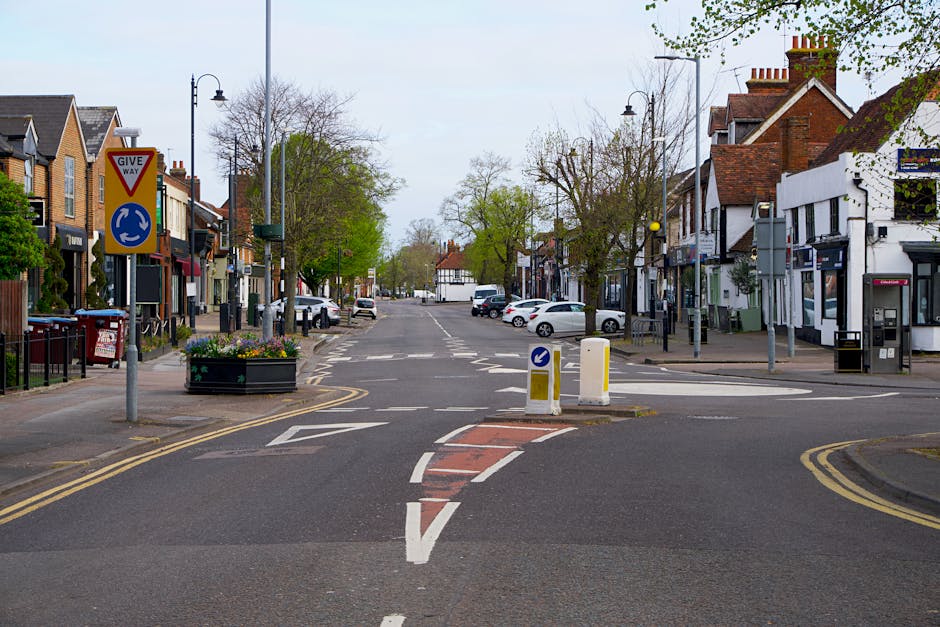
Berkhamsted is a Hertfordshire market town in the Chilterns, lying in the valley of the River Bulbourne and shaped by both transport history and older settlement patterns. The town is known for its long high street, the remains of Berkhamsted Castle, and a setting that combines wooded hills, chalk landscapes and a settled town centre. Much of its character comes from the way the built-up area sits within the surrounding rural landscape, giving it a distinct contrast between historic streets and green edges. The canal is another important feature: the Grand Union Canal runs through the town, and the associated towpaths and waterside sections have become part of everyday local movement as well as leisure walking. Berkhamsted railway station connects the town to London and other parts of the West Coast Main Line corridor, reinforcing its role as both a historic place and a modern commuter town. The centre includes independent shops, cafés, schools and community facilities, while the surrounding streets contain a mix of older buildings and later residential development. Berkhamsted Castle, originally a Norman motte-and-bailey stronghold, remains one of the best-known landmarks, and the nearby open spaces and countryside routes give the area a notably varied townscape. The combination of medieval history, canal-side geography and contemporary travel links makes Berkhamsted a place where the old and the new are closely interwoven, rather than separated into different quarters.
When a property needs more than one type of clearance

Some homes contain a mixture of contents that do not fit neatly into a single category. In those cases, the best answer is usually to combine the right services in a way that matches the property. A house may need a general clearance, but also include a garage, loft or set of larger items that would be easier to handle through more specific work. That joined-up approach can keep the overall job simpler and more coherent.
If the property is being emptied because of a move, refurbishment or handover, it may also be useful to separate household contents from other waste streams. A property that contains builder’s debris as well as domestic items, for example, may need both a clearance and a more specific debris removal service. In such cases, builders waste clearance can sit alongside house clearance where the contents genuinely require that distinction. The aim is accuracy, not bundling everything together without thought.
Where the job involves a mix of rooms, furniture and storage, the main decision is usually which items are best handled together. That depends on access, weight, volume and how the property is arranged. By planning the work around those practical factors, the clearance can be carried out in a way that respects the home and the people involved, while still removing the items that are no longer needed.
Preparing for the work and final arrangements
Before the clearance begins, it helps to set aside anything you want to keep and to make the remaining contents as clear as possible. That does not mean you need to sort every room in detail, but it does help if items with sentimental, financial or practical value are separated in advance. Where access is restricted or parking arrangements matter, those details should be mentioned when the work is discussed so the day can be planned sensibly.
It can also be useful to walk through the property mentally and identify the most awkward areas. A low loft opening, a narrow staircase, a rear garage or a room full of stacked items can change how the job is approached. If you prefer, you can ask for a quotation based on a described inventory rather than a general estimate. The more precise the description, the easier it is to align the clearance with the actual property and its contents.
For the final stage, a simple and direct request is often best: tell us what needs clearing, mention any access issues and ask for the next step. If you already know that the job relates to household contents alone, a straightforward pricing and quotes page may be a practical place to begin. When you are ready, request a quotation and we can help shape the clearance around the property rather than the other way round.
Practical options for a tidy handover

Some customers want a house clearance because the property needs to be left in a tidy state for viewing, sale, letting or family handover. Others simply need to remove the surplus items that make rooms harder to use. In both cases, the useful question is what needs to remain after the work has finished. Once that is clear, the clearance can be planned so the property is left with the right spaces open and the right belongings retained.
Where the contents include a mixture of domestic furniture and general waste, it is often sensible to keep the work ordered by room or by item type. That makes it easier to avoid confusion and ensures the removal follows a sensible sequence. If the property also includes older belongings that need to be separated from household furniture, the removal may be best handled with a mix of clearance categories, depending on what is present and how accessible it is.
If you would like to move forward, you do not need to overexplain the job. A plain description of the property, the rooms involved and the sort of items to be removed is usually enough to start. Ask for a quotation and we will use the details provided to shape the clearance properly. That is the simplest way to turn a cluttered or half-finished property into a clear, workable plan.