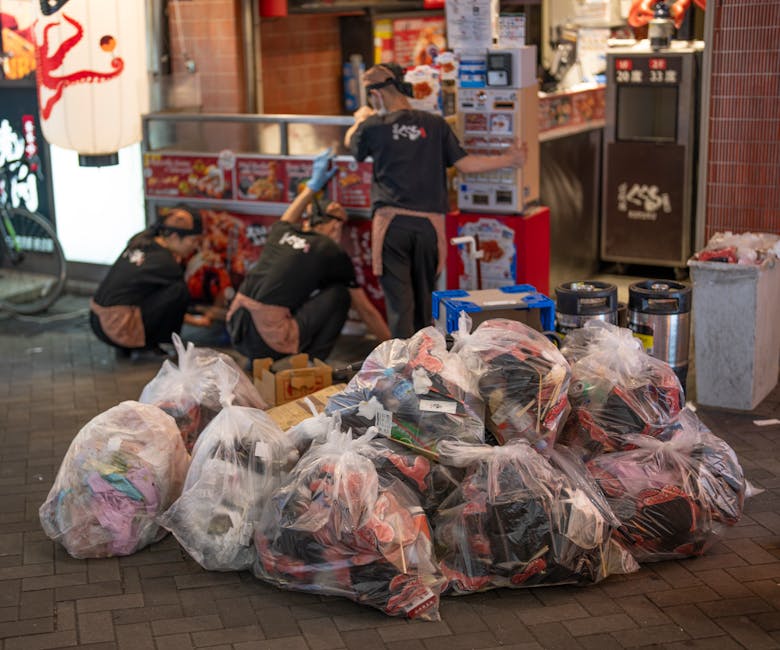
Berkhamsted High Street rubbish removal guide for shops
If you run a shop on Berkhamsted High Street, rubbish removal can quietly become one of those jobs that eats time, space, and patience. Cardboard stacks up behind the till, broken display items need shifting, old stock takes over the back room, and suddenly the tidy little storeroom you relied on feels like a squeeze. This Berkhamsted High Street rubbish removal guide for shops is here to make the whole process simpler, safer, and much less stressful.
Whether you manage a boutique, cafe, convenience shop, salon, charity shop, or a small independent retailer, the basics are the same: you need waste cleared efficiently, responsibly, and with as little disruption as possible. The good news? With a sensible plan, shop rubbish removal does not have to be messy or complicated. It just needs a bit of structure. And maybe a strong cup of tea while you sort the first pile.
Table of Contents
- Why rubbish removal matters for shops on Berkhamsted High Street
- How shop rubbish removal works in practice
- Key benefits and practical advantages
- Who this guide is for and when it makes sense
- Step-by-step guidance for shop owners
- Expert tips for better results
- Common mistakes to avoid
- Tools, resources and recommendations
- Law, compliance, standards and best practice
- Options and comparison table
- Case study or real-world example
- Practical checklist
- Conclusion
- Frequently asked questions
Why Berkhamsted High Street rubbish removal guide for shops Matters
High streets are busy places. Berkhamsted High Street has its own rhythm: deliveries, footfall, kerbside constraints, neighbouring businesses, and customers walking past at all hours. Waste that would be manageable in a warehouse can become a nuisance in a shopfront setting very quickly. A single overflowing bin or a stack of broken boxes out back can affect day-to-day operations in ways people do not always expect.
For shops, rubbish removal matters for a few reasons. First, it protects presentation. Customers notice the front of house, but they also notice what is visible through side doors, alleyways, and windows. Second, it reduces safety risks. Loose packaging, sharp materials, and blocked walkways can lead to avoidable accidents. Third, it supports staff productivity. Nobody wants to spend twenty minutes rearranging waste just to reach seasonal stock.
There is also the simple reality of being a good neighbour. On a busy street, waste left too long can attract complaints, make access awkward, and create tension with nearby traders. That is not a great look, and truth be told, it is easily avoided with the right system.
For many shops, the best approach is not a one-off clear-out only when things become unbearable. It is a repeatable removal routine that fits trading patterns, stock changes, and delivery days. Once that routine is in place, everything feels calmer. Less clutter. Less rush. Fewer last-minute dramas.
How Berkhamsted High Street rubbish removal guide for shops Works
In practice, shop rubbish removal usually starts with sorting. Not every item is "waste" in the same sense. Some things are general refuse, some are cardboard, some are recyclable packaging, and some are bulky unwanted fixtures or stock that need separate handling. Knowing the difference saves time and helps keep disposal costs sensible.
Most shop clearances follow a pattern:
- Assess the waste - walk through the shop, storeroom, staff area, and any rear access space.
- Separate materials - cardboard, mixed packaging, broken shelving, old furniture, and general waste should not be bundled together if they can be handled more efficiently apart.
- Identify access issues - narrow stairs, shared courtyards, parking limitations, and loading restrictions can affect the removal plan.
- Arrange the collection - choose a suitable time, ideally outside the busiest trading window.
- Load safely and clear away - waste is removed in a controlled way, with attention to the shop, the public pavement, and neighbouring properties.
- Confirm disposal route - responsible operators will prioritise recycling and proper transfer rather than just dumping everything in one mixed load.
That last point matters more than people think. A clear, simple process reduces the chance of missed items, cross-contamination, and avoidable extra charges. If you have old display units or office furniture mixed in with cardboard and stock shrink-wrap, for example, it is usually better to separate those from the beginning.
If your shop also has storage areas, back-office rooms, or a small stock room that has become a magnet for old packaging and outdated goods, it can help to think beyond simple bin emptying. Services such as business waste removal or office clearance may be more suitable for larger or mixed loads than standard bin collections. That kind of match makes a real difference.
Key Benefits and Practical Advantages
Good rubbish removal is not just about tidiness. It affects the whole feel and flow of the business. Here are the main benefits shops usually notice once they get the process under control.
- Cleaner customer experience - a tidy frontage and organised back-of-house area feel more professional.
- Safer staff movement - fewer trip hazards, less clutter, and easier stock access.
- Better use of space - especially valuable in compact High Street premises where every square metre counts.
- Less disruption - removing waste in planned batches is easier than reacting to piles at the last minute.
- Improved recycling opportunities - cardboard, metal, and certain fixtures can often be separated more intelligently.
- Stronger compliance habits - a neat waste process supports broader business discipline.
There is also a morale effect. Staff are usually more comfortable working in a space that feels under control. Nobody says it out loud every day, but people do notice when the back room is not overflowing with old stock boxes and broken bits of shelving. It lifts the place a bit.
Practical summary: For most shops, the best rubbish removal setup is the one that is simple enough to repeat, flexible enough for busy periods, and careful enough to keep the property safe and presentable.
Another real benefit is speed. A shop that knows how to handle waste efficiently can respond faster after a refit, seasonal change, stock turnover, or a sudden clear-out before a busy trading period. That matters when you are trying to keep the business moving, not stop it for a big clean-up weekend.
Who This Is For and When It Makes Sense
This guide is for any Berkhamsted High Street shop that produces more than the occasional bag of rubbish. That includes independents and small chains alike. In practical terms, it is useful if you run:
- a clothing or gift shop with constant packaging waste
- a cafe, bakery, or takeaway with mixed refuse and storage clutter
- a salon or beauty business with disposable items and packaging
- a convenience shop or corner store with cardboard, damaged stock, and display materials
- a charity shop or resale outlet with unsold furniture, bric-a-brac, and donated items that cannot be kept
- a seasonal or pop-up retail unit with regular stock rotation
It also makes sense if you are preparing for one of the following:
- a refit or new shop layout
- a change of tenancy
- an end-of-season clear-out
- the removal of old fittings or furniture
- a stockroom that has turned into what can only be called a small mountain of "deal with later"
To be fair, a lot of shop waste problems start with good intentions. A box is put aside for later. Then another one lands on top. Then the old shelving unit gets parked next to it. A month later you have a cramped mess and no clear idea where to begin. This guide is for that moment, too.
If your needs extend beyond normal retail waste, you may also find related services useful, such as general waste removal for mixed items or builders waste clearance if your shop is being refurbished. Matching the job to the service is half the battle.
Step-by-Step Guidance
Here is a straightforward way to manage rubbish removal for a Berkhamsted High Street shop without turning it into a full-scale drama.
1. Walk the premises properly
Start at the front and work your way back. Look at counters, stock rooms, under stairs, staff areas, and any hidden corners where packaging tends to gather. The small items are often the ones that clog the space first.
2. Group waste by type
Make a rough separation between recyclable cardboard, mixed packaging, bulky items, damaged fixtures, and general refuse. You do not need a museum-level sorting system, but a bit of structure helps enormously.
3. Decide what can be reused, donated, or disposed of
Not everything needs the skip treatment. Some shelving, furniture, or display items can be reused elsewhere, while some stock or fittings may be suitable for responsible disposal. If you are clearing fixtures or chairs, for instance, a service such as furniture disposal may be a practical fit.
4. Check access and timing
Think about deliveries, nearby traffic, customer flow, and whether there is space to move waste safely without blocking the pavement or store entrance. A collection timed for a quieter hour can make the whole thing feel easier.
5. Ask for a clear quote
Good pricing should be based on the amount, type, and accessibility of the waste. If something seems unclear, ask. A proper quote should help you understand what is included and what is not. You can review the provider's pricing and quotes page before booking.
6. Arrange safe removal
On the day, ensure staff know what stays and what goes. If items are in locked storage or split across floors, let the team know in advance. Clear instructions save time and reduce mistakes. Simple enough, really.
7. Keep records
For business waste, it is sensible to keep basic records of what was removed, when, and by whom. That helps with accountability and can be useful if questions come up later about disposal routes or regular collections.
Expert Tips for Better Results
Experience tends to teach the same lesson again and again: the best rubbish removal is planned before the pile grows. Here are a few practical tips that make a real difference.
- Schedule clear-outs around quiet periods - early morning or after closing often works best for shopfronts.
- Keep a small "outgoing waste" zone - one defined area is better than several random piles.
- Flatten cardboard before it becomes a problem - it saves space and makes collections easier.
- Separate mixed waste early - once everything is thrown into one pile, sorting gets slower and more expensive.
- Photograph bulky items before collection - this can help with quoting and avoids misunderstandings.
- Check the rear access route - a blocked alley or narrow passage can create a frustrating delay on the day.
One useful habit is to review waste patterns after particularly busy periods. After Christmas, a sale event, or a stock refresh, ask yourself: what kind of waste repeated most often? That answer tells you where to improve. Maybe it is packaging. Maybe it is unsold displays. Maybe it is just too many boxes hanging around for too long.
And yes, the odd staff reminder helps. "Please flatten the boxes" sounds tiny, but repeated over a few weeks it can save a lot of floor space. Boring, but effective. The boring stuff usually is.
If you want a more sustainability-minded approach, it is worth looking at recycling and sustainability. Even a small shop can make cleaner choices about what gets reused, separated, or sent away in the first place.
Common Mistakes to Avoid
Most waste problems in shops are not dramatic. They are small mistakes that repeat until they become a bigger headache than they needed to be.
Leaving waste too close to the trading area
Boxes near the entrance, bags behind promotional stands, or broken items stacked by the door make the space look disorganised and can become a trip hazard quickly.
Mixing everything together
Cardboard, broken furniture, food waste, and old stock all in one mass is awkward to remove and often less efficient than separating them.
Ignoring access issues
A collection team can only work with the access available. If the only route is through a narrow back passage or shared service area, say so in advance.
Forgetting compliance basics
Commercial waste is not the same as household waste. Shops need to be more organised about how it is handled, documented, and passed on.
Booking too late
Waiting until the storage room is full can force you into an awkward rush. That is when mistakes happen, especially during busy trading weeks.
Assuming all services are the same
Not every collection provider is right for every type of load. A business clearing mixed stock, furniture, and light fixtures may need something more tailored than a basic bin emptying arrangement. If you are dealing with larger shop contents, house clearance or home clearance style services may not fit, whereas office clearance or business waste support may be far more appropriate for back-office areas.
Tools, Resources and Recommendations
You do not need a complicated toolkit to manage shop rubbish better. A few simple items and habits go a long way.
- Heavy-duty bin bags for mixed non-recyclable waste
- Box cutters or safety knives for flattening cardboard safely
- Labelled storage boxes for sorting items due for removal
- Gloves for staff handling rough or dusty waste
- Trolley or sack truck for moving heavier items without dragging them
- Basic inventory sheet so staff can note what is waiting to be removed
Useful resources on the same site include about us if you want to understand the company background, contact us for direct enquiries, and insurance and safety if you want reassurance about how risk is handled. That last one matters more than people think, especially when waste has to be carried through active premises.
If your shop is especially dependent on clean, efficient working practices, it can also help to review the health and safety policy. A straightforward policy can support staff training, site access, and safer collections. It is not glamorous, no, but it is sensible.
Law, Compliance, Standards, or Best Practice
Shop waste is a business matter, so it deserves business-level care. While exact requirements can vary depending on the type of waste and how it is collected, the broad principle is simple: commercial waste should be handled responsibly, and businesses should keep suitable records and use reputable carriers.
Best practice usually includes the following:
- keeping waste streams separate where practical
- choosing a provider that can explain how waste is handled
- making sure collections do not create hazards for staff or the public
- storing waste securely until removal
- maintaining basic records for business waste movements
If your shop handles items that could be classed as hazardous, electrical, or specialist waste, the level of care increases. In those cases, it is wise to ask direct questions before booking rather than assuming everything can go in a general clear-out. Better safe than sorry, as they say.
Responsible operators should also be able to talk clearly about how they manage recycling, disposal, and duty-of-care expectations. You do not need a lecture. Just clear answers, plain English, and no wobbling. For businesses that value traceability, it is sensible to check the provider's terms and conditions too: terms and conditions can set expectations around access, payment, and service scope.
Options, Methods, or Comparison Table
Different shops need different rubbish removal methods. A tiny accessories boutique will not use waste in the same way as a busy cafe or a retail unit undergoing refurbishment. Here is a simple comparison to help you choose the right approach.
| Option | Best for | Pros | Watch out for |
|---|---|---|---|
| Regular bin collections | Small, predictable daily waste | Simple, routine, familiar | Not suitable for bulky items or clear-outs |
| One-off waste removal | Seasonal clear-outs, stock room clutter, mixed shop waste | Flexible, fast, ideal for occasional jobs | Needs clear sorting and access planning |
| Business waste removal service | Shops with ongoing commercial waste needs | Better for repeat business waste and organised disposal | Less suitable for one-off bulky clearances unless arranged |
| Specialist clearance service | Fixtures, furniture, stockroom contents, refit waste | Handles larger or mixed loads more efficiently | May need a detailed description of items in advance |
In many real shop situations, the answer is not one method forever. It is a mix. A small store may use regular waste handling most of the time, then book a one-off clearance after a refit or a major stock change. That balanced approach is often the most cost-effective.
Case Study or Real-World Example
Imagine a small independent shop on Berkhamsted High Street preparing for a spring refresh. The owner has new stock arriving, a display table that is wobbly, several broken storage boxes, and a back room packed with packaging that has accumulated since winter. Nothing is urgent enough to panic over, but it is starting to feel crowded and awkward.
Rather than trying to tackle it piecemeal over several weekends, the owner walks through the premises on a quiet afternoon and separates the waste into a few groups: flattenable cardboard, reusable items, furniture to remove, and general rubbish. The team labels one corner of the stock room for outgoing items and stops adding to the problem. A collection is booked for an early slot before opening, so there is no clash with customers. The removal is done in one visit, the floor space comes back, and the shop feels reset.
That kind of clear-out sounds ordinary, but in a retail space it can be the difference between a cramped week and a smooth one. The owners usually notice it straight away. Better movement, less visual clutter, fewer "where did I put that?" moments. Tiny reliefs, but real ones.
If the items include old shop furniture or display fixtures, a service such as furniture clearance may be the cleanest route. For bigger mixed loads, especially during refurbishments, the right option may be broader rubbish support through waste removal.
Practical Checklist
Use this quick checklist before arranging shop rubbish removal on Berkhamsted High Street.
- Have you identified all waste areas in the shop, including storage and back rooms?
- Have you separated cardboard, mixed waste, bulky items, and fixtures?
- Is anything reusable, sellable, or suitable for donation?
- Do you know whether access is easy enough for collection day?
- Have you chosen a time that will not disrupt customers or deliveries?
- Have you asked for a clear quote based on the actual job?
- Have you checked whether any specialist waste needs separate handling?
- Have staff been told what stays and what goes?
- Have you planned where items will wait before collection?
- Have you thought about recycling and sustainability options?
And one more, quietly important: have you made a note of what caused the clutter in the first place? That is often the bit that saves you hassle next time.
Conclusion
Rubbish removal for shops on Berkhamsted High Street works best when it is treated as part of the business routine, not an emergency task to endure once the back room is overflowing. A clear plan, sensible sorting, safe access, and the right kind of collection support can make a noticeable difference to daily trading life.
Done well, waste removal gives you more space, better safety, and a calmer feel across the whole premises. It also helps your shop look more professional from the moment someone steps inside. In a high street setting, that matters. A lot.
If you are preparing for a clear-out, a refit, or just want to stop waste from building up again, start with a simple review of what is actually there and what needs to go. Then take the next step with confidence. It does not have to be a big job. Just a sensible one.
Get a free quote today and see how much you can save.
Frequently Asked Questions
What is the best rubbish removal option for a shop on Berkhamsted High Street?
It depends on the type and amount of waste. Small, regular waste is usually handled through ongoing business waste arrangements, while bulky stock, furniture, or mixed clear-outs are often better suited to one-off rubbish removal or clearance services.
Can shop waste be mixed with household rubbish?
No, commercial waste should be managed separately from household waste. Shops need a proper business waste arrangement and should use a provider that can handle commercial loads responsibly.
Do I need to sort cardboard before collection?
Yes, if possible. Flattened cardboard is easier to remove and can often be handled more efficiently than mixed waste. It also saves space in a crowded stock room, which is a blessing on a busy week.
How can I reduce rubbish in my shop?
Start by reviewing packaging habits, stock handling, and how long items are being stored before disposal. Flatten boxes, separate recyclable materials, and avoid letting unwanted items pile up in back rooms.
What happens to bulky items like shelves or display units?
Bulky items usually need separate handling. They may be suitable for furniture clearance or a more general business clearance depending on the material and condition.
Is rubbish removal disruptive to customers?
It does not have to be. If collection is timed well and access is planned in advance, the process can be quick and discreet. Early morning or quieter trading periods are often the easiest.
How do I know if I need office clearance or business waste removal?
If the waste is from a back office, storage room, or mixed business area, office clearance or business waste removal may be a better fit than a basic bin service. It depends on the contents and how much needs moving.
Can rubbish removal help with a shop refit?
Yes. In fact, refits are one of the most common reasons shops book clearance. Old fixtures, packaging, and builders' debris often need to go quickly so work can continue safely. Builders waste clearance is often relevant in that situation.
What should I ask before booking a removal service?
Ask what is included, how pricing works, whether recycling is prioritised, and how access is managed. It is also sensible to ask about insurance and safety, especially if items need to be carried through active shop areas.
How often should a shop arrange waste removal?
That depends on trading volume, stock turnover, and available storage. Some shops need frequent ongoing collections, while others only need occasional clear-outs after seasonal changes or refurbishments.
Can a rubbish removal provider help with sustainability?
Yes, if they separate recyclable items and handle waste responsibly. If sustainability is a priority, look for clear information on recycling and disposal practices before booking.
What if I am not sure whether an item can be removed?
Describe it as clearly as you can, ideally with a photo if the provider allows it. It is better to ask than to guess, especially with mixed materials or items that may need specialist handling.
For shop owners, the real win is not just getting waste gone. It is getting the space back, the pressure down, and the day moving again. That is a good feeling, and it tends to stay with you long after the bags have left the premises.